

The Journey of a Dark Elf with Fading Powers
Writer/Artist: Daisuke Itabashi
Platform: KManga
¡Ouughh! ¡AMO A LOS ELFOS! Culpo a The Elder Scrolls por iniciar mi obsesión con ellos. Últimamente se han vuelto más comunes en las historias de fantasía; desde Ubel Blatt con su protagonista medio elfo, Koinzell, hasta la heroína titular y encantadora de Freiren: Beyond Journey’s End. Pero tras sumergirme en la mitología y cultura de los Dunmer de Morrowind y los Drow del universo de Dungeons & Dragons, siempre sentí que los elfos oscuros recibían la peor suerte.
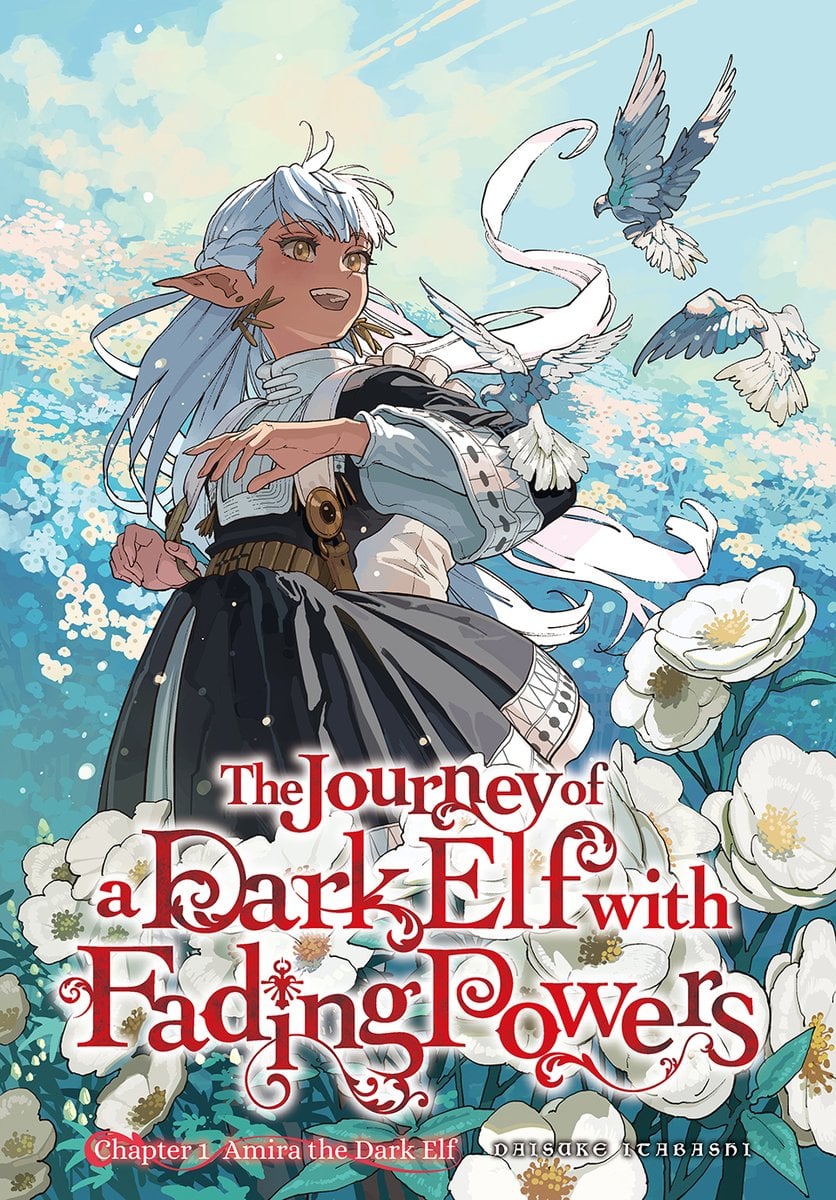
Hasta ahora. The Journey of A Dark Elf with Fading Powers es un nuevo manga de fantasía de Daisuke Itabashi. Su protagonista, Amira, fue una vez una gran y poderosa hechicera conocida en todo el mundo. Hasta que un día, desapareció de la sociedad. La razón es que ha perdido sus grandes poderes mágicos y ahora es solo un simple elfo oscuro. Pero eso no detiene a Amira de sus objetivos. Perder sus habilidades mágicas la llevó a perfeccionar sus habilidades en artes marciales, caza, cocina y dominio básico de herramientas durante los próximos cien años aproximadamente. Ella sabe que todavía puede crear algo hermoso incluso sin magia, incluso si tiene que empezar de cero.
Amira está casi diseñada como una Anti-Frieren, alguien que fue todo poderoso pero ahora es impotente, sin embargo sigue determinada. El mundo natural le enseña a apreciar la vida aún más, sin dar nada por sentado. Es una perspectiva distinta para un elfo y me encanta.
El impresionante arte de Itabashi es lo que primero llamó mi atención sobre esta serie. Los diseños de personajes son tan simples en sus proporciones, pero el artista los retrata mediante composiciones y ángulos dinámicos. Ni siquiera mencionar los fondos o los diseños de criaturas. Me hace sentir que mi propio arte está ausente, pero sé que el trabajo de Itabashi no sería posible sin el tiempo y el cuidado dedicados a cada ilustración. Este tipo de elogio es raro para mí, ya que soy muy exigente cuando se trata de a qué manga dedico mi atención.
Si te encanta el manga de fantasía, los elfos y el arte hermoso, ve a leer The Journey of a Dark Elf with Fading Powers. ¡No puedo esperar para ver el primer volumen impreso! — Justin Guerrero
Eko Eko Azarak Reborn
Original Story: Shinichi Koga
Writer/Artist: JTA Yamada
Backgrounds: Unidon
Screentones: Kii
Translation: Andria McKnight
Lettering: Skylar Rutan
Designer: Matt Bookman
Editor: Louis Yamani
Publisher: Titan Comics
“Eko, Eko, Azarak! Eko, Eko, Zomelak!”
Originalmente publicado en 1975, el original Eko Eko Azarak (una frase extraída de una invocación wiccana) dio origen a una serie de películas y programas de televisión. El manga renació en 2020, y esta nueva versión ahora se está publicando en Estados Unidos.
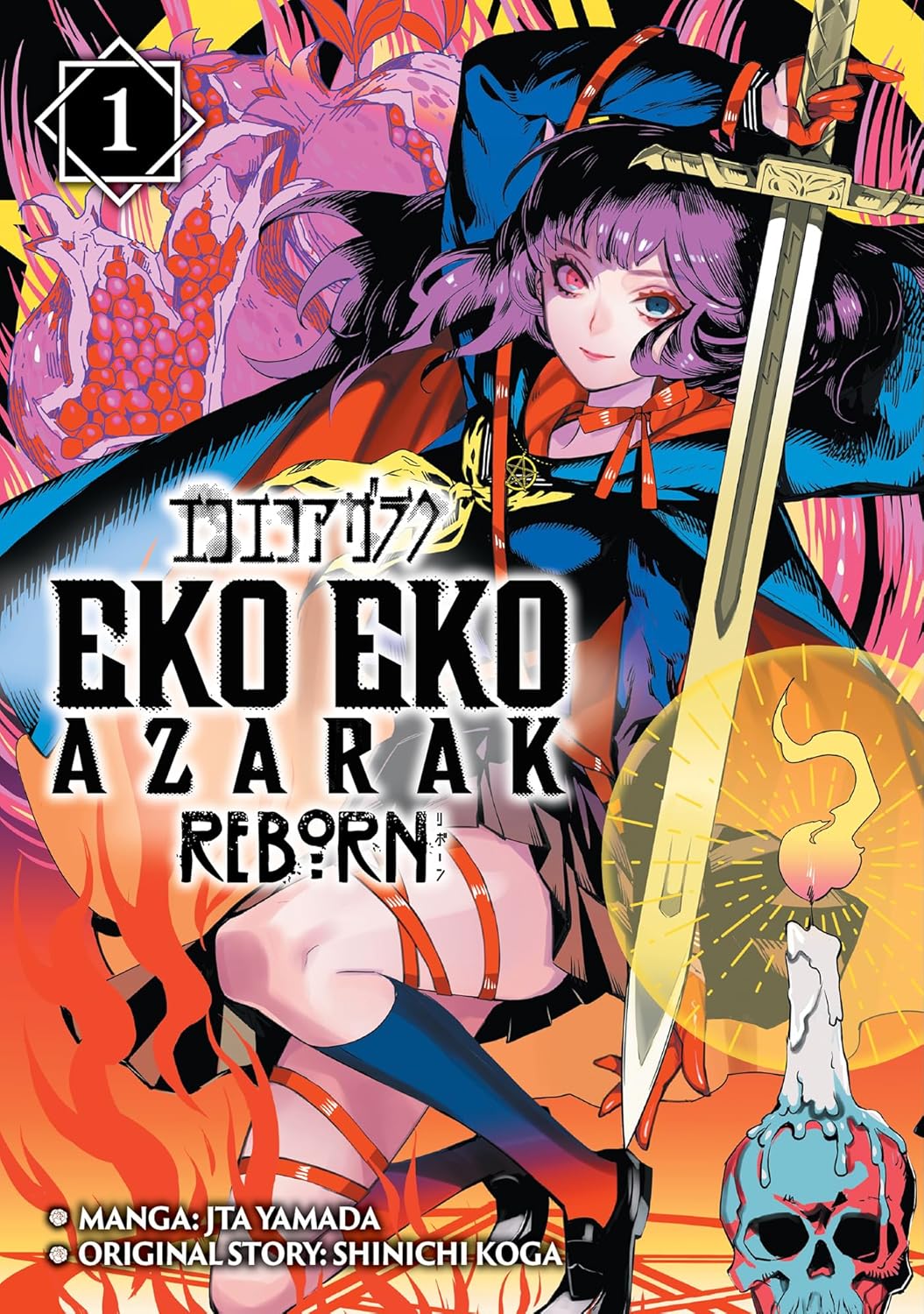
La historia sigue a una bruja llamada Misa Kuroi que ha sido atraída por sucesos sobrenaturales alrededor de una determinada escuela. El primer volumen abarca dos periodos de tiempo, veinte años separados, mientras ella se ve a sí misma ya sea salvando a otros de las garras de demonios, o castigándolos por sus errores. Me imagino que el manga original era similar; aunque no he visto las adaptaciones aún, las conozco por reputación, lo que me llevó a interesarme en esta serie.
El concepto no es exactamente fresco, pero no tiene por qué serlo cuando las historias en sí son entretenidas. El primer capítulo es tan fuerte desde el inicio que establece un precedente increíble para este libro. Solo hubo un capítulo aquí en el que no pensé que la lógica presentada en la historia fuera satisfactoria. Aun así, hubo mucho para disfrutar. Aunque oscura, la serie sigue siendo adecuada para adolescentes.
JTA Yamada’s art flows well, and brings the creepy factor flawlessly when it’s time for demons and dark magic. There were only a few moments where I found myself confused by what was going on, but studying the page I realized that was on me.
Eko Eko Azarak Reborn doesn’t push the envelope or do anything outlandish for its story outside its first chapter. But it does set up a running mystery involving demonic art collectors that I very much want to see more of. It’s certainly pushed me to seek out and take in other offerings from this franchise. Also, it’s not everyday I get to credit the assistants for this manga, so thank you JTA for shouting them out at the end of the book. — Derrick Crow
Yu-Gi-Oh!
Writer/Artist: Kazuki Takahashi
Translation & English Adaptation: Anita Sengupta
Touch-up Art and Lettering: Kelle Han
Initial Cover Design: Izumi Evers
Final Cover & Graphic Design: Sean Lee
Senior Editor: Jason Thompson
Publisher: VIZ
It’s hard to believe that it has been 30 years since the iconic card game made its debut in Weekly Shonen Jump, but the King of Games is now 30 years old.
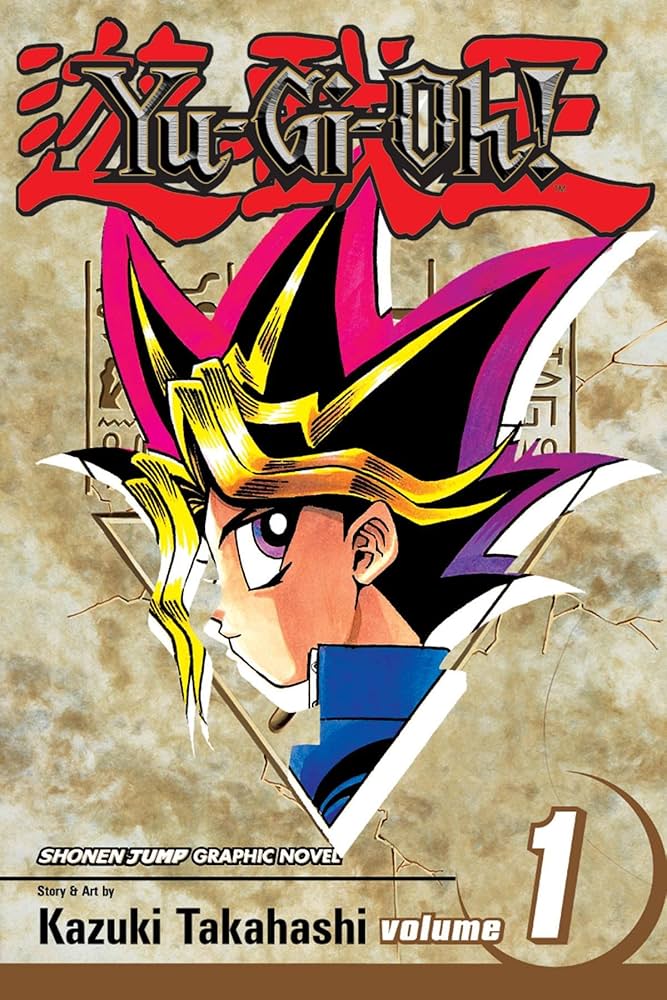
I don’t think I would be remiss to say that probably a good percentage of the world knows what Yu-Gi-Oh! is about. Even if they haven’t read the manga or watched the show, they’ve likely seen the internet memes about it. [Editor’s Note: “In America!”] But for the uninitiated, Yu-Gi-Oh! follows a young boy named Yugi Muto who becomes the vessel of an ancient Egyptian pharaoh after he solves an ancient artifact called the Millennium Puzzle. Yugi, along with the pharaoh who does not remember his name, fights those who seek to seize the Puzzle and its powers.
I first came across Yu-Gi-Oh! when the anime was coming out. In retrospect, as an adult, it seems silly that life and death could be decided by the outcome of a trading card game (Hello 4Kids English dub Shadow Realm). But the animation, voice acting, and soundtrack made the stakes of the game seem so real. When I later read the source material, I was shocked by how different the manga was at first.
Before Yu-Gi-Oh! became a trading card game, it was about a kid whose alter ego would punish bad guys. The story was dark; Dark Yugi did not hold back when he doled out his penalty games. Although the artwork is not my favorite in the first few arcs, Kazuki Takahashi found his stride once the story focused on Duel Monsters. The way he drew the monsters that emerged out of the cards and the duels themselves felt larger than life. I also appreciated how Takahashi always drew the card along with the monster/trap/spell itself. It was a way to explain the function of the card, but also to tie the duel to the game, grounding the action in something real. Anyone who ever watched the show should definitely read the manga, because it’ll give them a whole new way to appreciate the franchise.
Rest in peace, Kazuki Takahashi. — Hilary Leung